Croatia or Italy for Your 2027 Charter? Value Coast vs Glamour Coast
Croatia vs Italy for your 2027 charter: short hops and value against Amalfi glamour and 22% VAT, with real cost deltas.
Read more
Updated May 2026.
Europe holds the highest density of yacht charter destinations in the world. From the Adriatic to the Norwegian fjords, the continent offers more than 30,000 charter yachts across 12+ active cruising grounds. This guide covers the 10 destinations that consistently deliver the strongest 2026 charter weeks — ranked roughly by cruising-ground accessibility for an English-speaking charterer with a 7-day Saturday-Saturday window. Each pick has the best base port, the season window, and the rough cost benchmark.
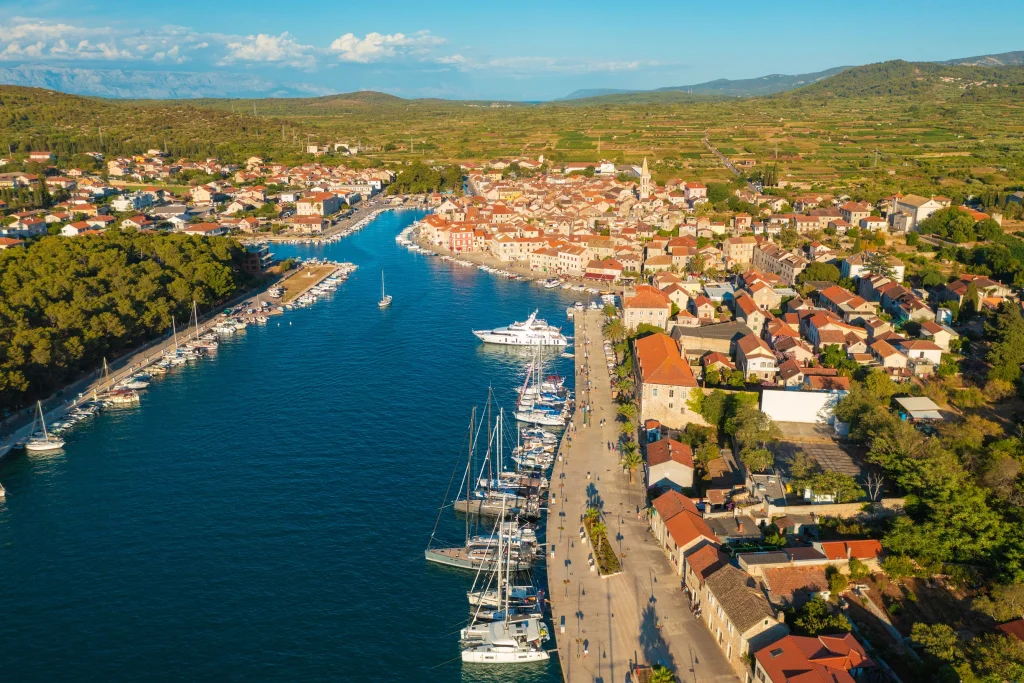
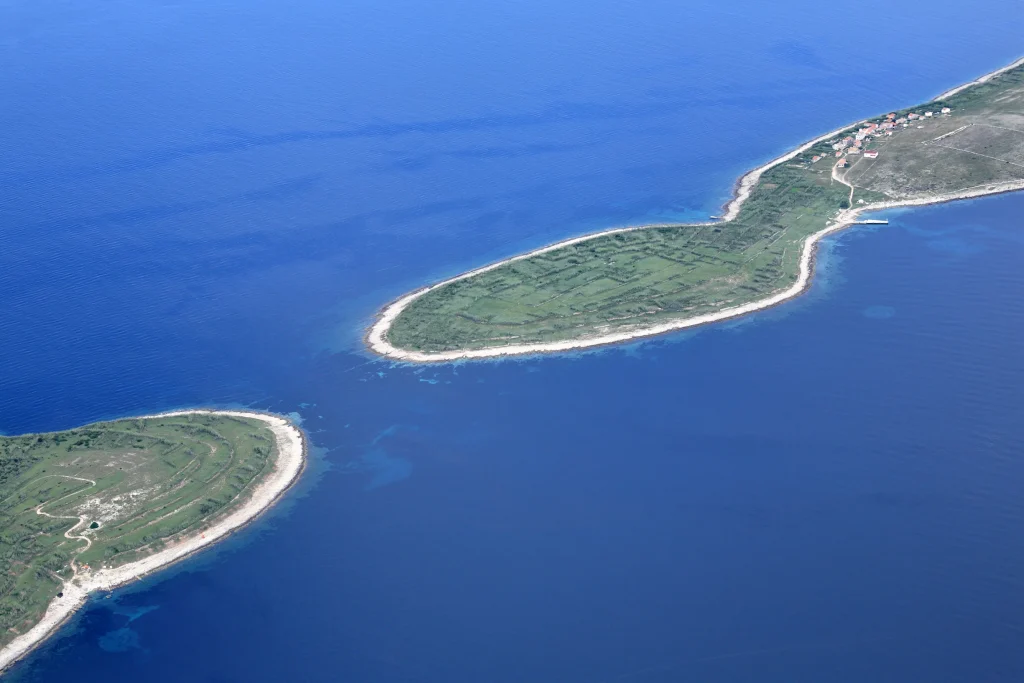
Croatia is the busiest charter coast in Europe and probably the easiest. Inside Central Dalmatia (Split, Hvar, Vis, Brač, Pakleni) the distances are short, the islands are different from each other, and the support infrastructure is everywhere. South Dalmatia (Dubrovnik, Mljet, Korčula, Lastovo) is wilder and quieter. Best base: Split (largest fleet) or Trogir (calmer Saturday handover, 15-min airport transfer). Season: late June or mid-September. Cost benchmark 2026: 45-foot bareboat monohull €5,500-7,500 boat + €1,500 expenses. The ultimate guide to sailing Middle Dalmatia walks through the working week.
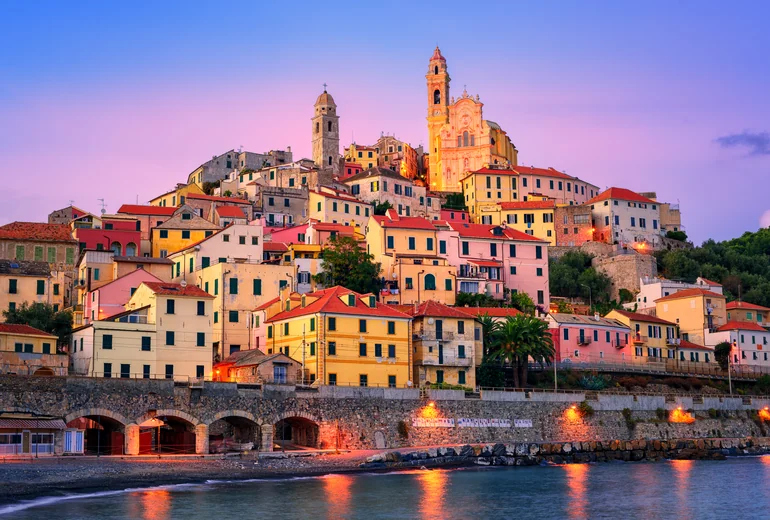
Greece offers the widest range of European cruising grounds under one flag. The Saronic Gulf (Aegina, Hydra, Spetses) is the easiest. The Ionian (Lefkas, Kefalonia, Ithaca) is family-friendly. The Cyclades (Mykonos, Paros, Santorini) are dramatic but punish first-timers with the meltemi. The Dodecanese (Kos, Patmos, Kalymnos) sit between — quieter than the Cyclades but with real wind. Best base: Athens-Alimos for Saronic-Cyclades; Lefkas Marina for Ionian; Kos Marina for Dodecanese. Season: September is the single best month across all four grounds. Cost benchmark: 45-foot monohull €5,000-7,000.
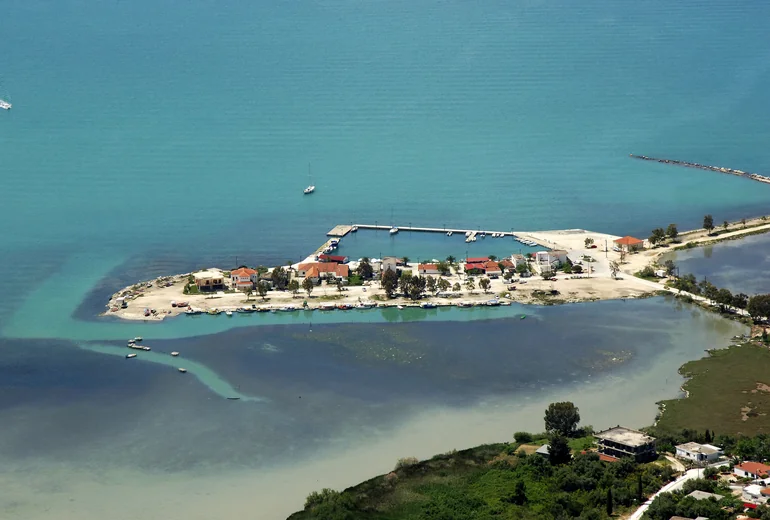
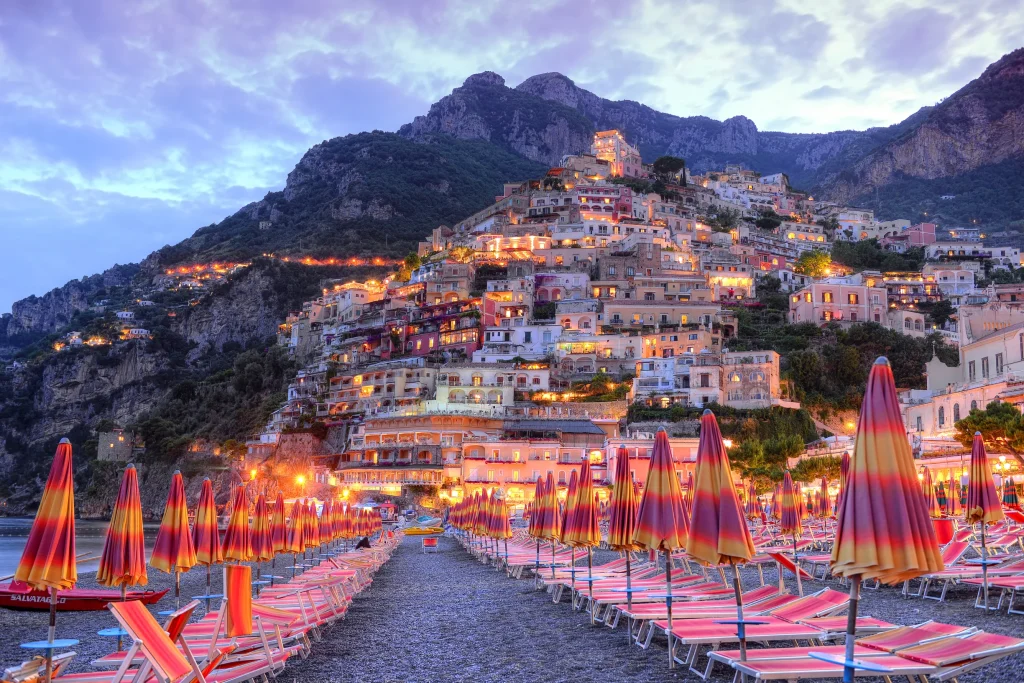
Italy is the most stylistically varied charter coast in Europe. The Amalfi Coast is the famous and most-regulated. Sardinia and the Costa Smeralda deliver the clearest western Mediterranean water at premium prices. Sicily and the Aeolian Islands are wilder, with Stromboli erupting on schedule. The Italian Riviera (Liguria) gives the Cinque Terre and short hops between fishing villages. Best base: Salerno for Amalfi, Olbia for Sardinia, Palermo for Sicily, La Spezia for Liguria. Season: late May or September; avoid the August Italian vacation peak.
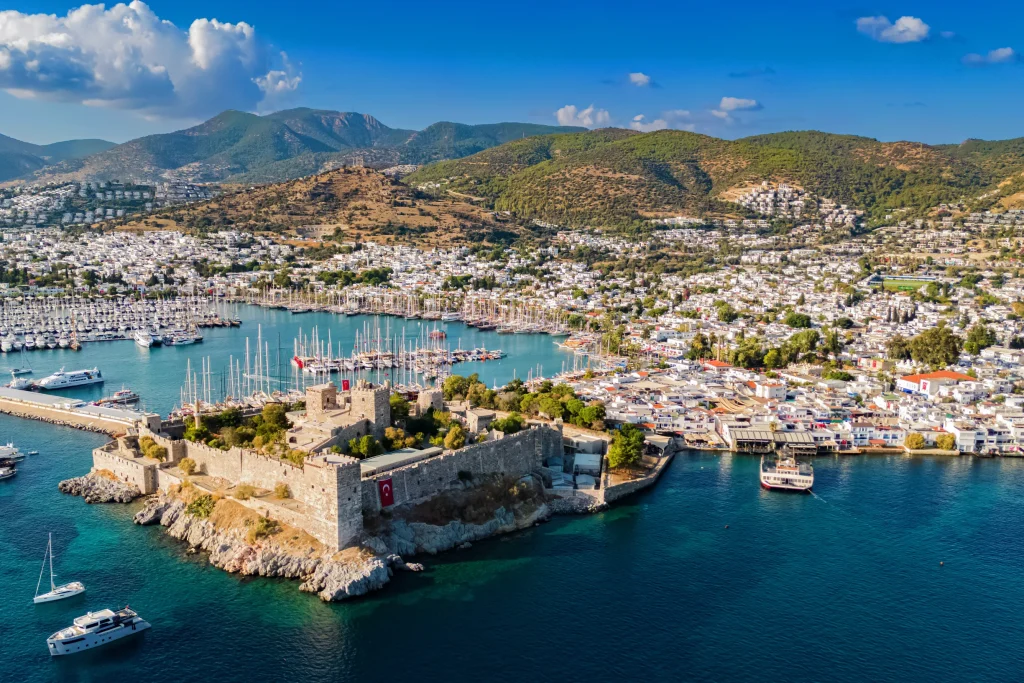
The most cost-effective mainstream Mediterranean cruising ground. Pine-clad bays, flat water inside long peninsulas, water at 26 °C from June through September. The Gulf of Gökova (60 NM long, sheltered) accessed from Bodrum is the western cruising ground. The Gulf of Fethiye and Göcek bays (12 named bays inside one archipelago) is the eastern ground. Best base: D-Marin Yalıkavak (Bodrum) or D-Marin Göcek. Season: mid-June or mid-September. Cost benchmark: 45-foot monohull €4,000-5,500 — distinctly cheaper than Greek and Croatian equivalents. Insurance for Croatian and Greek charters covers the cross-border paperwork.
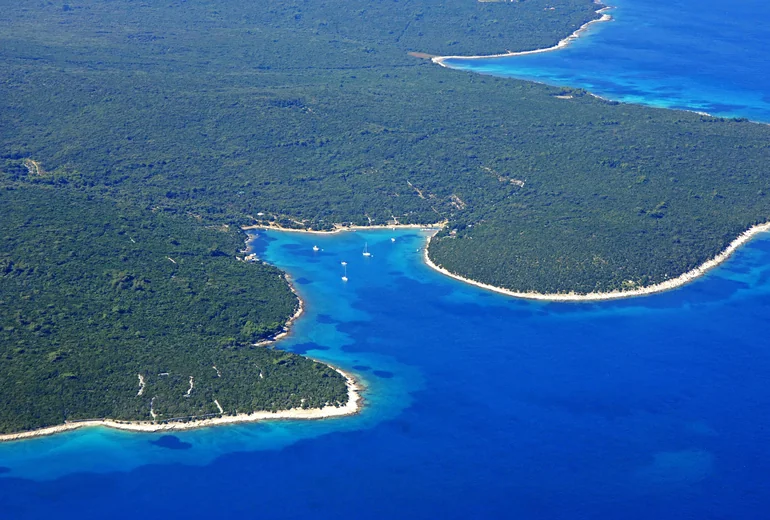
Premium Mediterranean charter with strict mooring regulations and stunning water. Mallorca offers the most varied week (south-coast calas, Cabrera National Park, north-coast cliffs). Menorca is the calmer sister island. Ibiza-Formentera is party-and-postcard territory. Best base: Palma de Mallorca (largest fleet in the western Mediterranean). Season: late May or mid-September; avoid the August Spanish vacation. Cost benchmark: 45-foot monohull €5,500-7,500. The Cabrera permit-buoy system fills within minutes of release; book 30 days ahead.
The most expensive western Mediterranean charter coast. The French Riviera (Cannes-Saint-Tropez-Monaco) is dominated by motor yachts; sailing-yacht charter is a smaller share. The Îles d’Hyères (Porquerolles, Port-Cros, Le Levant) deliver national-park-protected waters with mandatory mooring buoys. Corsica sits across the Strait of Bonifacio and combines well with a Sardinian charter. Best base: Hyères or Cannes. Season: mid-May (avoid Cannes Festival) or early September (avoid Cannes Yachting Festival). Cost benchmark: 45-foot monohull €7,500-10,500 — the Riviera premium is real.
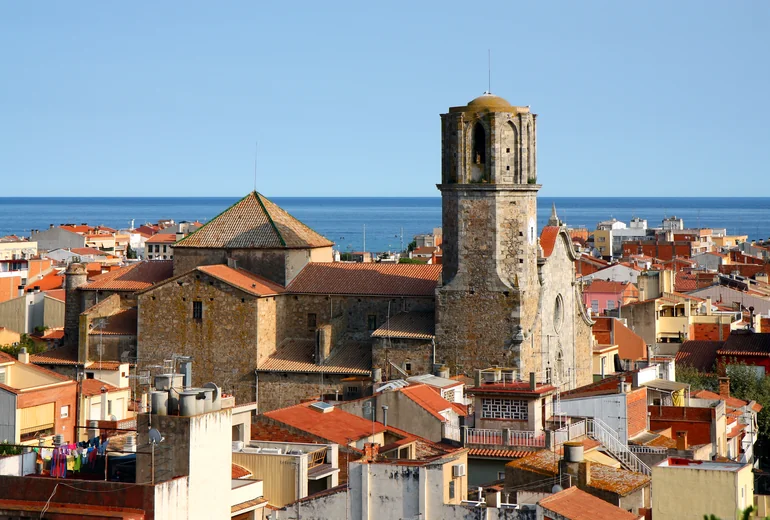
The smallest charter coast in the Adriatic and one of the most concentrated. Boka Bay is Europe’s southernmost fjord — 28 km of mountain-walled inlet with stone villages built right against the water. The Budva Riviera south of Boka opens onto the open Adriatic. Most charters are 4-day Boka loops attached to a Croatian week from Dubrovnik. Best base: Tivat (Porto Montenegro Marina, 5 minutes from the airport). Season: late May, late June, September. Cost benchmark: 45-foot monohull €4,500-6,500 (15% under Croatian equivalents).
Italy’s premium charter coast deserves its own listing — the granite islets and Caribbean-blue water of La Maddalena Archipelago are unmatched in the western Mediterranean. The Costa Smeralda’s premium marinas (Porto Cervo, Cala di Volpe) and the Bonifacio crossing into Corsica round out the week. Best base: Olbia (Marina di Olbia, 15 minutes from the airport). Season: late May or September. Cost benchmark: 45-foot monohull €6,500-8,500 (Sardinian premium adds 15-20% over Greek or Croatian equivalents).
Small but growing charter market. Comino’s Blue Lagoon is the marquee anchorage; Gozo offers quieter day-trips. Valletta’s Grand Harbour is one of the most dramatic harbours in the Mediterranean. The Maltese fleet is smaller than Greek or Croatian — bookings recommended 4-5 months ahead. Best base: Manoel Island Marina or Grand Harbour. Season: April through October; the Rolex Middle Sea Race in late October draws racing crowds. Cost benchmark: 45-foot monohull €4,500-6,500.
The wild card on the list. Norwegian fjords (Sognefjord, Hardangerfjord, the Lofoten islands further north) offer spectacular landscape sailing in cold water. The charter season runs roughly mid-May through mid-September. Distances are longer than Mediterranean equivalents, the fleet is small, and bareboat is rare — most Norwegian charters are skippered or fully crewed. Best base: Bergen or Stavanger. Season: late June through August (longest daylight). Cost benchmark: significantly higher than Mediterranean equivalents — 45-foot monohull crewed €12,000-18,000 boat plus crew.
The right pick depends on what you optimise for:
— Easiest first charter: Croatia (Central Dalmatia) or Greek Saronic.
— Lowest cost: Türkiye, Greek Ionian, Croatian Istria.
— Most dramatic scenery: Cyclades, Amalfi Coast, La Maddalena, Norway.
— Best family-friendly: Greek Ionian, Croatia, Türkiye Göcek bays.
— Most cultural stops: Saronic Gulf, Sicily and Aeolians, Italian Riviera, Malta.
— Most party-leaning: Ibiza-Formentera, Mykonos, French Riviera summer.
— Quietest week: South Dalmatia (Mljet, Lastovo), Sardinian Sicily, Norwegian fjords.
Premium catamarans for peak weeks (mid-July to mid-August) book by November 2025. Standard monohulls book by February 2026. Shoulder weeks (June, mid-September) bookable 2-4 months ahead. Last-minute (1-6 weeks ahead) discounts of 10-25% on unsold inventory; choice narrows. How much does it cost to charter a yacht walks through the cost-by-region detail.
Most European charter destinations accept the ICC, RYA Day Skipper, US Sailing, or equivalent for the registered skipper. Specifics vary — some countries (Greece, Croatia) also require VHF radio certification. What documentation is required for chartering a yacht covers the country-by-country picture. Always carry the original certificate, not photocopies.
Türkiye (Gökova or Göcek). 45-foot bareboat monohull rates run 25-35% under Greek and Croatian equivalents. Greek Ionian and Croatian Istria are next-cheapest.
Croatia (Central Dalmatia) or Greek Saronic. Both have short distances, sheltered anchorages, dense charter infrastructure, and forgiving wind. The Greek Ionian is a third strong option, particularly for families.
Some operators allow one-way charters within a country (Croatia Split-to-Dubrovnik, Greece Athens-to-Mykonos). Cross-country one-ways are rare and typically come with 30-50% upcharges. Most common: Italy-to-Greece (Brindisi-to-Corfu) and France-to-Italy (Saint-Raphaël-to-Imperia).
Yes — most European operators offer optional charter cancellation insurance at €100-300 per booking. The insurance covers a broader range of cancellation reasons than the operator’s standard policy. Worth considering for peak-season bookings (€10,000+ per week).
Croatian Istria (Pula, Rovinj, Cres, Lošinj). Quieter than Central Dalmatia, distinctly architectural, 10-15% cheaper. Worth a charter for repeat European sailors who’ve already done the southern Adriatic. The Greek Ionian is similarly under-marketed relative to its quality.
European charter bookings open 12-14 months before charter date. Optimal booking windows by destination tier:
— Premium markets (French Riviera, Costa Smeralda, Capri area): book 8-10 months ahead for premium catamarans, 5-7 months for standard monohulls.
— Standard markets (Croatia, Greece, mainland Italy, Spain Balearics): book 5-7 months ahead for peak weeks, 3-5 months for shoulder.
— Cost-leader markets (Türkiye, Greek Ionian, Croatian Istria, Malta): book 3-5 months ahead for peak weeks; last-minute deals exist.
— Premium-only markets (Norway): book 8-10 months ahead. The fleet is small and largely crewed-only.
European charter contracts are typically Euro-denominated regardless of country (with the exception of UK-flagged charters in Mediterranean waters and Norwegian charters in NOK). Payment terms are standardised: 30% deposit at booking, 50% balance 90-60 days before charter, 20% on arrival or as security deposit. Wire transfer is the most common method; credit-card payment carries 2-4% surcharge. Contracts are typically governed by the charter operator’s home jurisdiction. Always read the cancellation policy carefully — terms vary by operator and by booking channel.